


Experience Palestine with Bright Stars of Bethlehem
Bright Stars of Bethlehem cultural immersion journeys invite travelers to experience Palestine, not simply observe it. Led by Bright Stars Vice Chair and Travel Liaison Linda Edens in collaboration with Sacred Travel Paths of East Jerusalem, these journeys offer meaningful opportunities to engage with the land, people, and culture through experiences like Palestinian cooking and food tours, sharing coffee and conversation with local families, visiting refugee communities, hiking the UNESCO-listed terraces of Battir, participating in the olive harvest, visiting sacred and historic sites, and connecting with students and artists at Dar al-Kalima University.
Our November 2026 journey is now fully booked, but we are already gathering interest for future trips in 2027. If you would like to experience Palestine with Bright Stars, complete the form to be among the first to receive future travel dates, itineraries, costs, and registration information.
Come ready to listen, learn, connect, and let the land, the people, and the culture share their stories.
Israel Electronic Travel Authorization
There are new procedures for entry to Israel. You will need to apply for the ETA entry permit (which is very straight forward). The cost is around ILS 25 ($7 per person). You need to do this before the trip.
Authentic Travel – A Meaningful Experience
-
One of the best ways to experience the work of Bright Stars is to travel to Palestine and the Holy Land. Millions of people visit the Holy Land each year, many for religious pilgrimages, but often these visitors explore ancient sites and historical monuments without experiencing deep engagement with the people whose land they are visiting. Rather than simply sending tourists to see these “dead stones” and sites of the Holy Land, we want to encourage authentic, life-changing travel.
-
Authentic travel provides an engaging, meaningful experience by moving beyond the typical tourist sites and events to a richer experience with the people and culture of a destination. It is participating in intercultural exchange and education and thinking about the people and culture of a land just as much as the history that brought them to the region. Authentic travel also helps support the Palestinian economy. Bright Stars of Bethlehem supports hospitality and tourism education as a means of supporting the employment of young Palestinians in what is a lucrative and growing market.
-
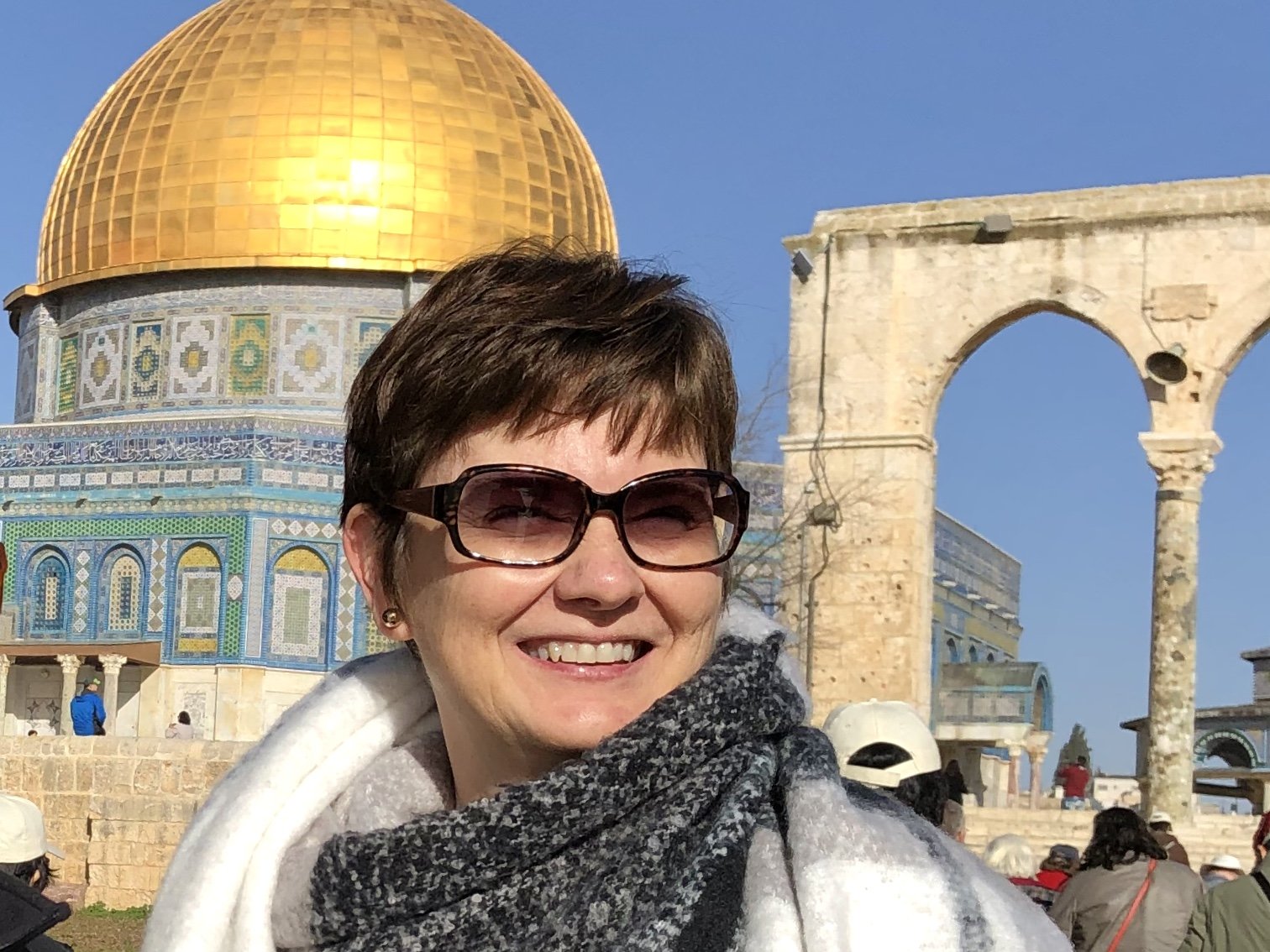
If you are interested in organizing an authentic travel experience to Palestine or simply want information about upcoming trips, please contact board member Linda Edens by emailing travel@brightstarsbethlehem.org. Linda is happy to assist you in developing an authentic travel experience. We are waiting to share all the ways to make your trip one you and your travelers will always remember.
Quotes From Travelers

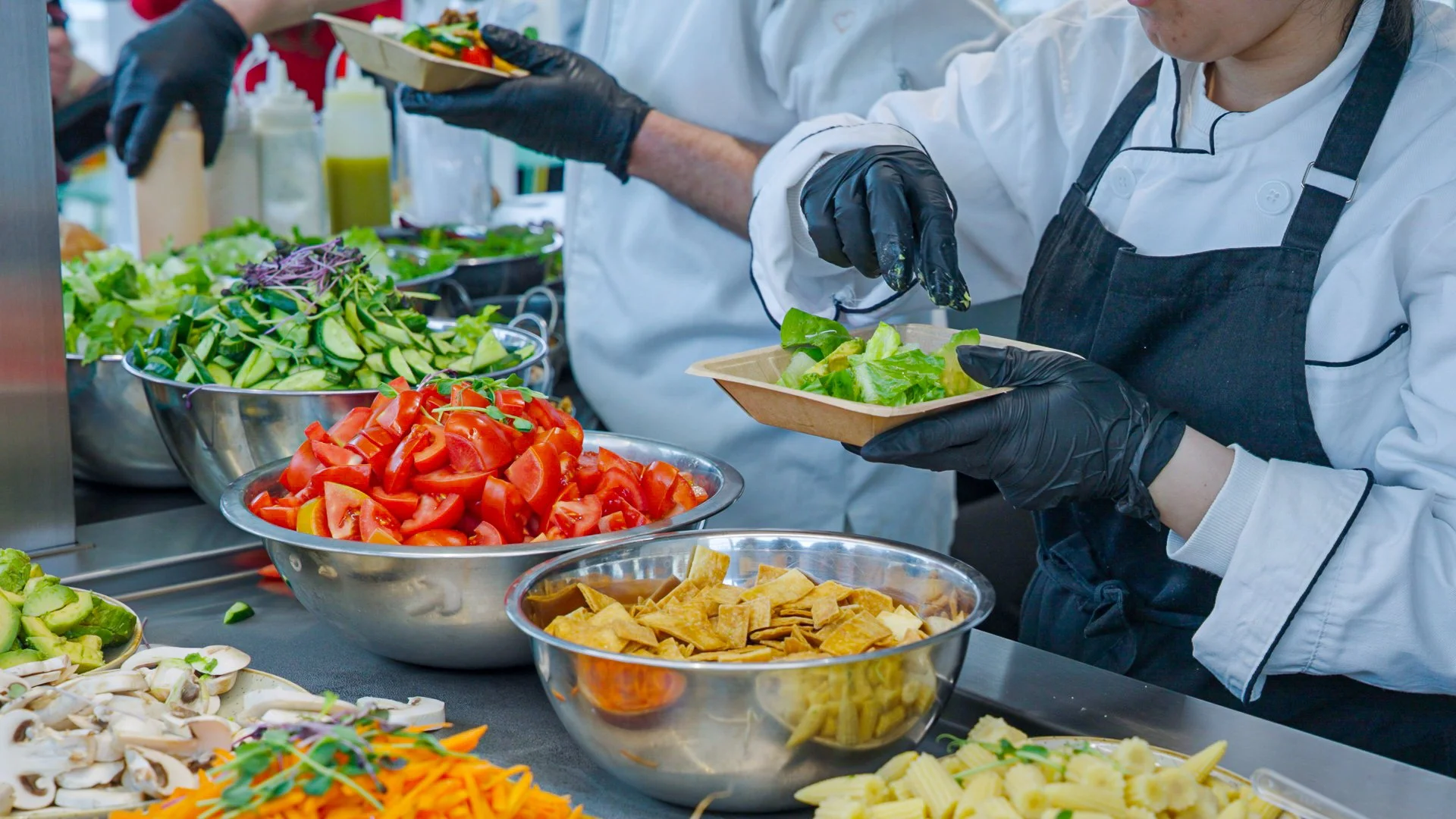
Food is not just sustenance; it can be a sensory experience of sights and smells and tastes intertwined with history, culture, and community. It serves as a means to connect with others, sharing not only meals but also stories and traditions. In Palestine, the food industry provides stable employment for many individuals, contributing to the livelihoods of families and communities.
Dar al-Kalima University is dedicated to providing its students with valuable education, particularly in career-sustaining majors like the culinary arts. This education instills hope in the students, empowering them to preserve and share their stories, history, aspirations, and dreams while working towards a better future.
Experience Palestine Through Food

Books to Bethlehem
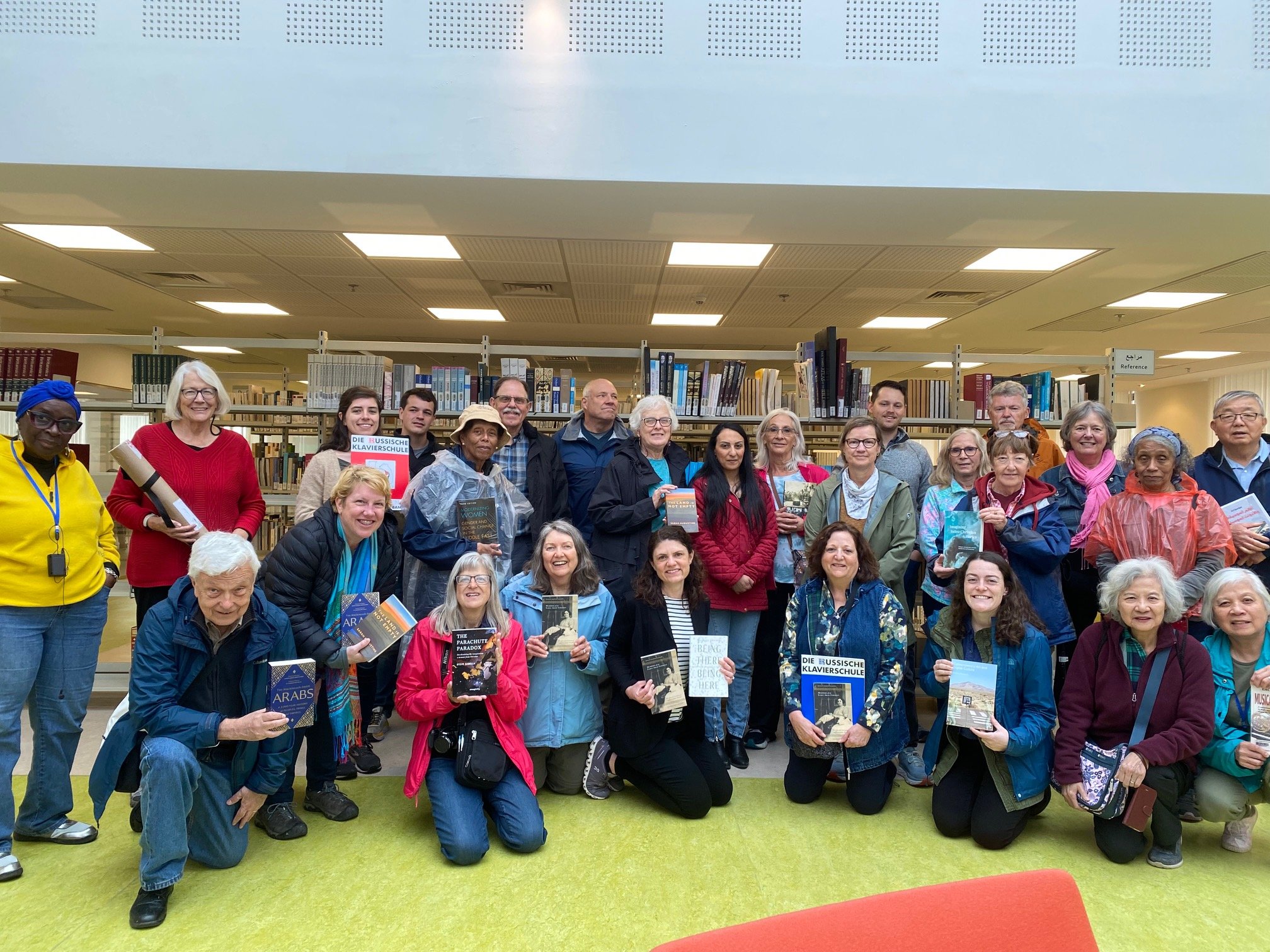
Traveling light can be overrated. Dar al-Kalima University is in need of books and resources for their ever-growing library. These educational resources are helping to establish a learning center with the latest research and information. This is where you come in. If you’re traveling to Bethlehem, it’s easy to participate in Books to Bethlehem.
Visit this list at Amazon. (Please use AmazonSmile in order to give back to Bright Stars with every Amazon purchase you make!)
Purchase the materials and have them shipped to you.
Write your name and where you are from on the inside cover.
Pack in your suitcase and bring with you to Bethlehem.
You may ask, “Why not just ship it directly there instead of adding to the weight of my luggage?” Unfortunately, shipping books directly to Palestine is not the best option. Often mail and packages never arrive at their destination.
Thanks for remembering not to pack light and for bringing needed materials to further the education of our students at the university!
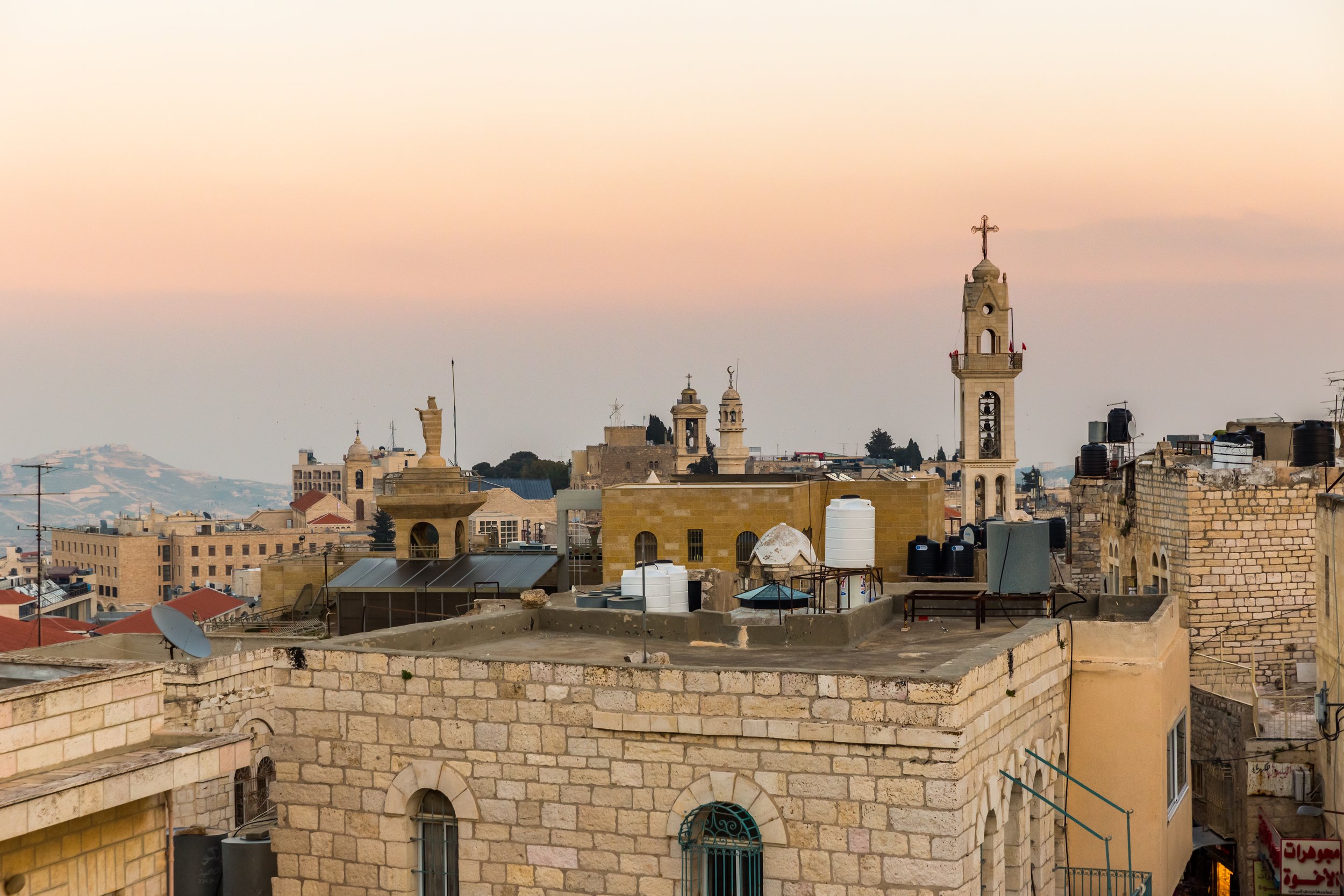
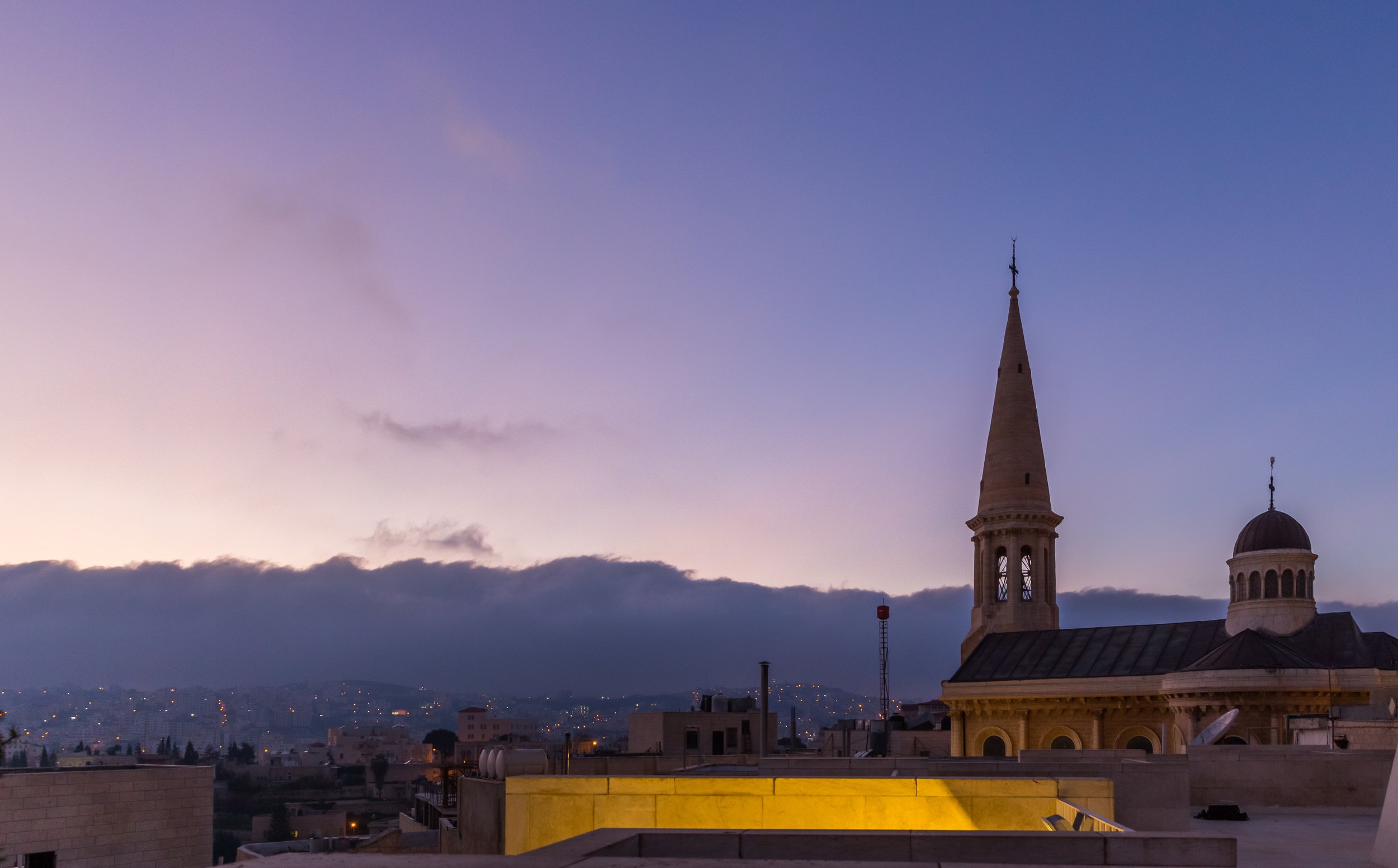
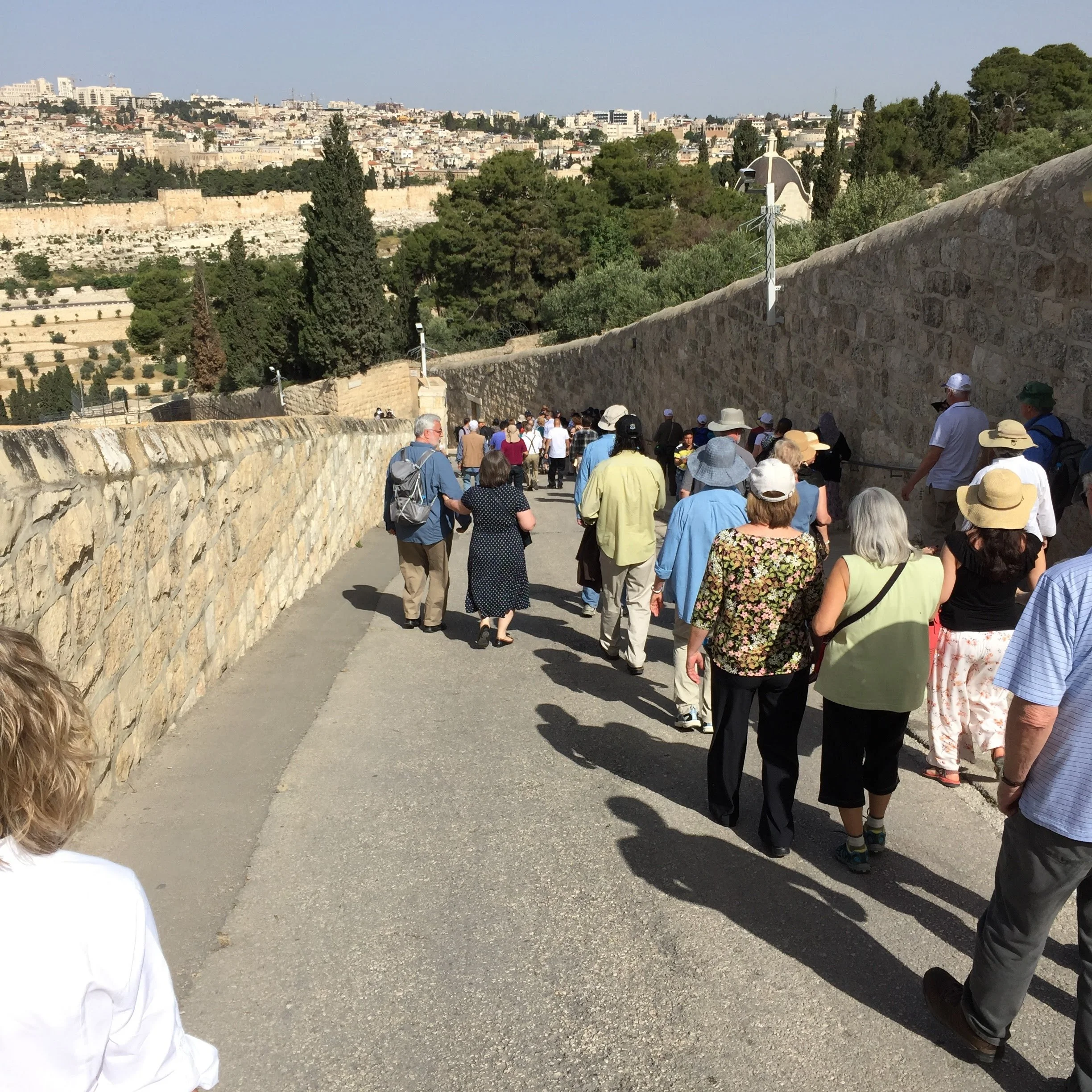




Make Bethlehem Your Home.
For a week-long trip, plan to stay 3-4 nights in Bethlehem.
Spend 1/2 to a full day at Dar al Kalima University:
Meet the Rev. Dr. Mitri Raheb (subject to his availability)
Meet with Students/Faculty
View a student-created film.
Dine in the 360 degree Upper Room Restaurant overlooking Bethlehem.
Take a cooking class and dine on your creation!
Visit the Zahi Rami Khoury Entrepreneurial Hub where innovators are born.
Visit the solar powered DAK Library.
Visit the DAK Gallery, featuring the works of renowned Palestinian Christian and Muslim artists.
Join in the “Books to Bethlehem” initiative (See above).
Other experiences to consider around the Bethlehem area:
Attend an Arabic church service/ visit a mosque.
Visit a Refugee Camp. (ie, Aida, Deheishah)
Make it a point to meet Palestinians.
Support Palestinian shops by purchasing souvenirs and gifts in Bethlehem.
Visit and shop within the Christian and Muslim quarters of Jerusalem.
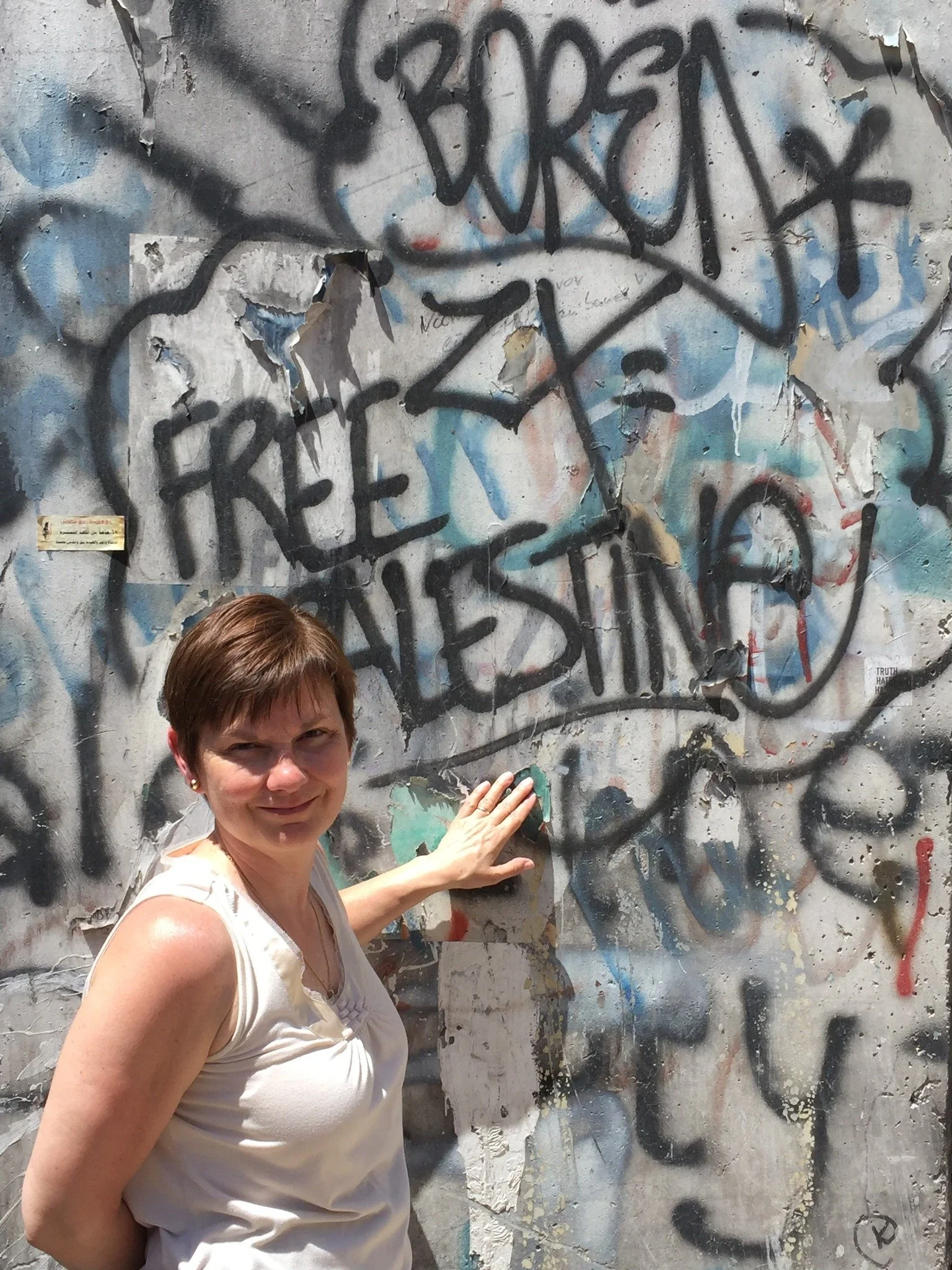
Walk along the Occupation wall.
View the graffiti art and diary entries. (Dar al Kalima students were the first to decorate the wall.)
Visit famous Banksy’s Walled Off Hotel.
Have a wine tasting at the Cremisan Winery.
Tour West Bank cities. ~ Bethlehem, Hebron, Ramallah, Jericho
Take a hike through the Battir Valley, a UNESCO World Heritage site.
For more information regarding travel to Palestine, please contact us at travel@brightstarsbethlehem.org
Downloadable Resources For Travel
Each year, many individuals and church groups use Bright Stars of Bethlehem as a resource to either find a trip to join or organize a trip of their own. Let us help you find a trip that works for you! We are waiting to share all the ways to make your trip one you and your travelers will always remember.
FAQs About Travel
-
Global COVID - 19 conditions are dynamic. U.S. citizens planning to travel to the Holy Land should be aware that requirements for travel may include quarantining, mandatory COVID-19 testings, and other travel restrictions. Israel’s government may implement restrictions with little notice. Additionally, each airline has specific requirements for travelers. Regarding entry regulation, please refer to these two-official links for official updates on COVID. Additionally, your tour operator will have up-to-date information regarding COVID-19 restrictions.
- Israeli Ministry of Tourism: https://safe.israel.travel/
- Israeli Ministry of Health: https://corona.health.gov.il/en/country-statusYour risk of contracting COVID-19 may be low if you are fully vaccinated with an FDA authorized vaccine. You still may be able to spread COVID-19 even if you are fully vaccinated.
-
Since the Holy Land, Bethlehem, and Jerusalem in particular, is heavily dependent on tourism, many people speak English, among other languages such as German, French, Italian, Spanish…and of course Arabic. English is mandatory in schools and American/British television is available here, so people have exposure to the language. Often children will want to try out their English on tourists, so you may have children engage with you by saying “Hello, what is your name?” or “Where are you from?”. Street signs, shop signs, food labels, and other products will be printed in English, but if not, someone in the area will be happy to help you. Palestinian people are very friendly, and generally happy to engage with you.
-
The climate is generally dry, with rain typically during the winter months (November - February). The month with the most rain will be January. The muggier, more humid months of the year are July through September, which also coincides with higher temperatures. The hot season lasts for 4.5 months, from the end of May till the first week of October, with an average daily high temperature above 79°F. The hottest month of the year is August, with an average high of 85°F and a low of 66°F.
The cool season lasts for 3.1 months, from December 7 to March 10, with an average daily high temperature below 59°F. The coldest month of the year in Jerusalem is January, with an average low of 41°F and a high of 53°F. However, January can be as warm as the mid-60s, and as cold to result in brief snow flurries.
-
All visitors to Israel must hold a passport that is valid for at least six months from the date they are departing the country. Please ensure that your passport meets this criteria. If you are coming from the U.S., it is not necessary to have the entry visa prior to your arrival - you will get it at the airport or border crossing. It is always a good idea to have a copy of your passport in case of loss.
Any needed prescription medications.
Clothing suitable for the climate and cultural norms. Shorts are not worn on the streets of Bethlehem, for example, by women or men, even when it is very warm. Conservative dress is the norm. Dress is modest. For example, shoulders are not bare, and women may need a head or shoulder scarf to enter some religious buildings. Some travelers have worn clothes that they intended to leave behind, making room in their luggage for items purchased to bring back.
-
Item description A nicer outfit for church or evenings out
Casual, modest, no iron attire (t-shirts, comfortable pants, etc.)
Good, comfortable shoes for walking
A jacket or sweater
A hat
A backpack/daypack/carrying bag for your long sightseeing excursions
If you are visiting the Dead Sea or the Mediterranean Sea, a swimsuit.
Your cell phone or camera to take photos
Electric current converter. Electrical appliances in the Holy Land need 220 Voltage as compared to 110 Voltage in the U.S. Some cell phone and computer chargers do their own voltage adaptation, so if your device says “INPUT: 100-240- V” you will only need an outlet adaptor.
-
The shekel (New Israeli Shekel) is the currency used in Palestine and Israel’s national currency. The currency abbreviation is NIS. Some hotels and restaurants will accept foreign currency, such as the dollar or Euro, but you should expect to use shekels. U.S. currency should be brought for traveling through the airports and can be exchanged for shekels at many changers in the major cities, such as Bethlehem and Jerusalem for little commission. You can exchange money at the airport money changes upon arrival, but they charge a higher rate of commission. There are ATM machines in Bethlehem and Jerusalem, but not all machines work with all card types. Credit cards may be accepted in the major cities, but typically only in the hotels and bigger restaurants. You should count on using shekels if possible.
-
In Bethlehem, prices are typically not marked on goods, and the prices are almost always negotiable. If you want to purchase a more expensive item, it is best to ask a Palestinian friend you can trust to accompany you to discuss the purchase and to negotiate price. In Jerusalem, pricing may be less negotiable. Small shop owners may only accept cash.
-
It is best to assume there will be no laundry options. Some hotels may offer dry cleaning services, but the turn around to get your clothing back might not be suitable for your travel schedule. The best way to do washing is in your bathroom sink, and then hanging things to dry. Some travelers pack an individual laundry soap packet for this purpose.
-
Palestinian cuisine comes from the land ~ rich with olives and olive oils, dates, fabulous salads, shawarma, and kebabs. Meals are flavored with Za’atar and Sumac. Hummus and pita are always plentiful. One of the most famous Palestinian dishes is maqlubeh, or “upside-down”, which is chicken, or another meat roasted in a large pot with onions and other vegetables, with rice on top. It is served by inverting the large pot onto a serving plate in a glorious manner, with there being easily enough food to serve an entire table. Water to drink with meals is bottled, and safe for drinking.
-
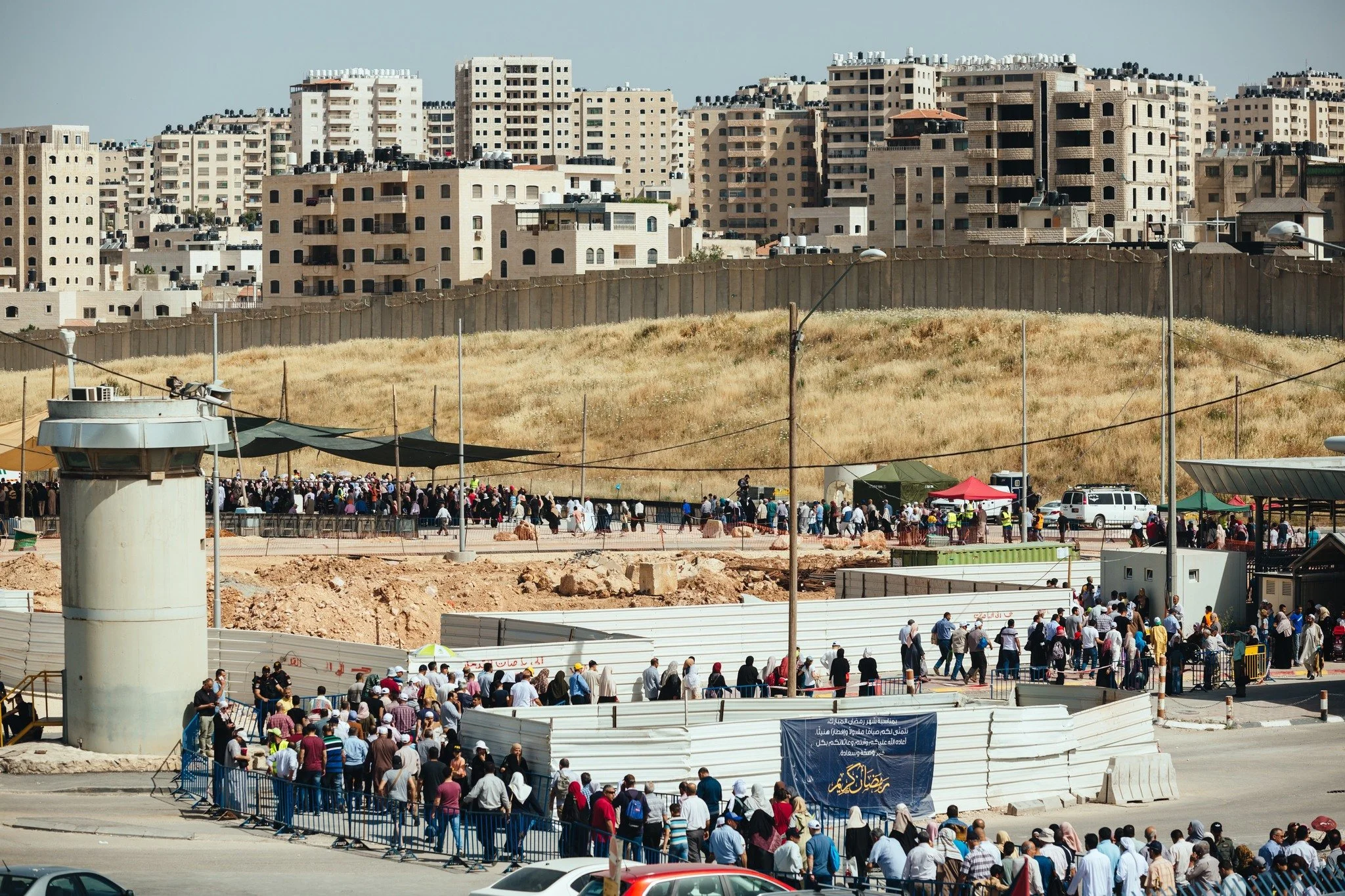
Bethlehem, the town in which Jesus was born, has the largest Christian population of all Palestine, but Christians make up only 27% of the population, with the rest of the population Muslim. (In all of Palestine, Christians make up 2% of the population). Christians and Muslims live in harmony in Bethlehem, and the distinction of which religion one belongs is not an important identifying characteristic. Bethlehem is surrounded on three sides by the Occupation wall, making going in and out of Bethlehem difficult for the Palestinians. As a U.S. traveler, you will have no difficulty going between Bethlehem and its surrounding areas.
Bethlehem, to locals, is a regular city of a fairly large size; to you, it will seem more like a village or town. The city has a few districts but mainly is divided into the Old City and the New City. The Old City, which you can tour around, comprises the Manger Square area and tourist areas. There are many old churches and religious sites to visit, all free to travelers. Taxis run all over town and will generally take you where you want to go, though you will probably be staying with your tour group at all times.
-
Jerusalem is very diverse, and you will have the opportunity to meet all kinds of people there. The Old City is divided into quarters: Muslim quarter, Christian quarter, Jewish quarter, and Armenian quarter.