

Women's History Month: Rana Albatrawi
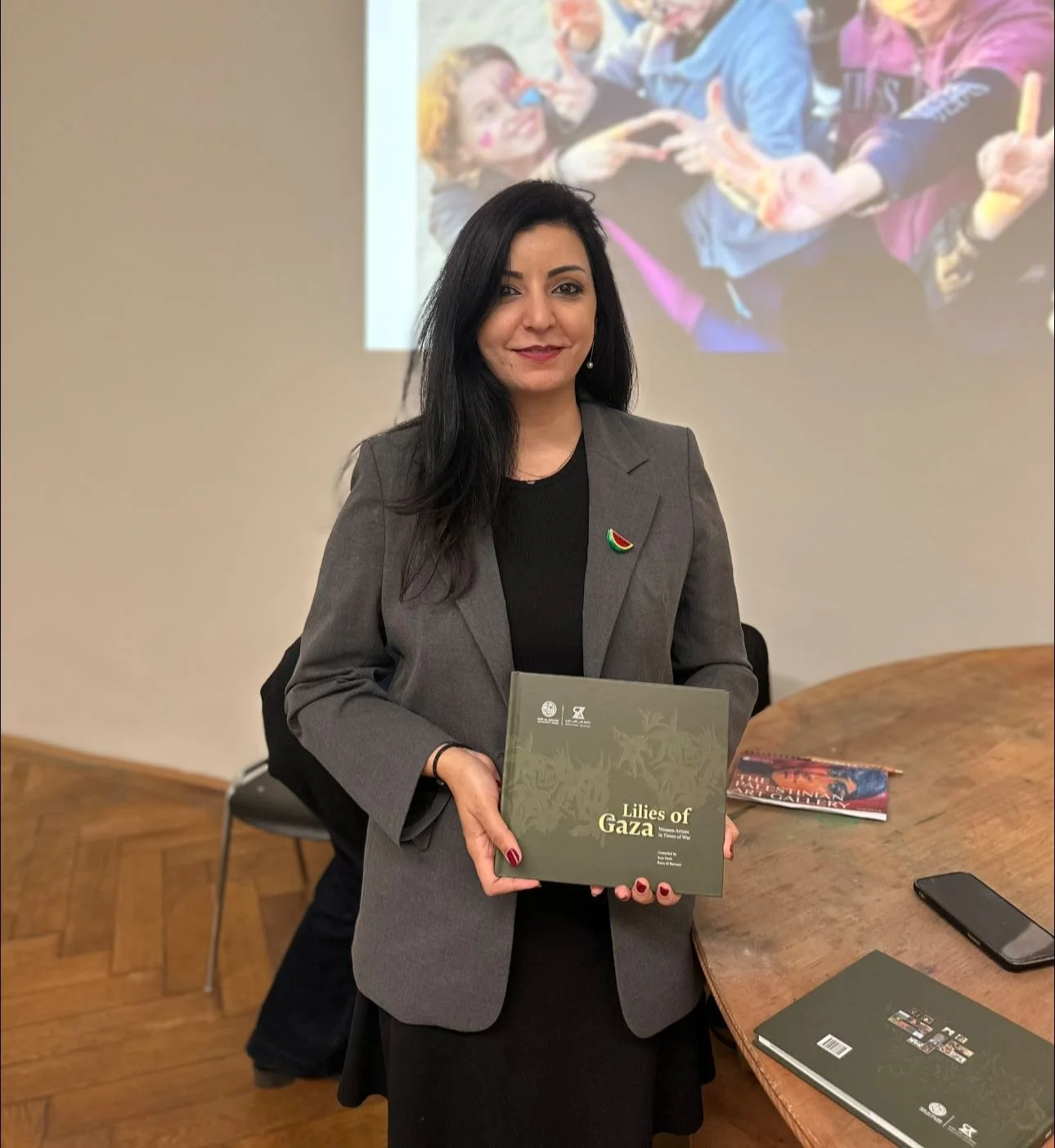
Art as Survival, Memory, and Hope
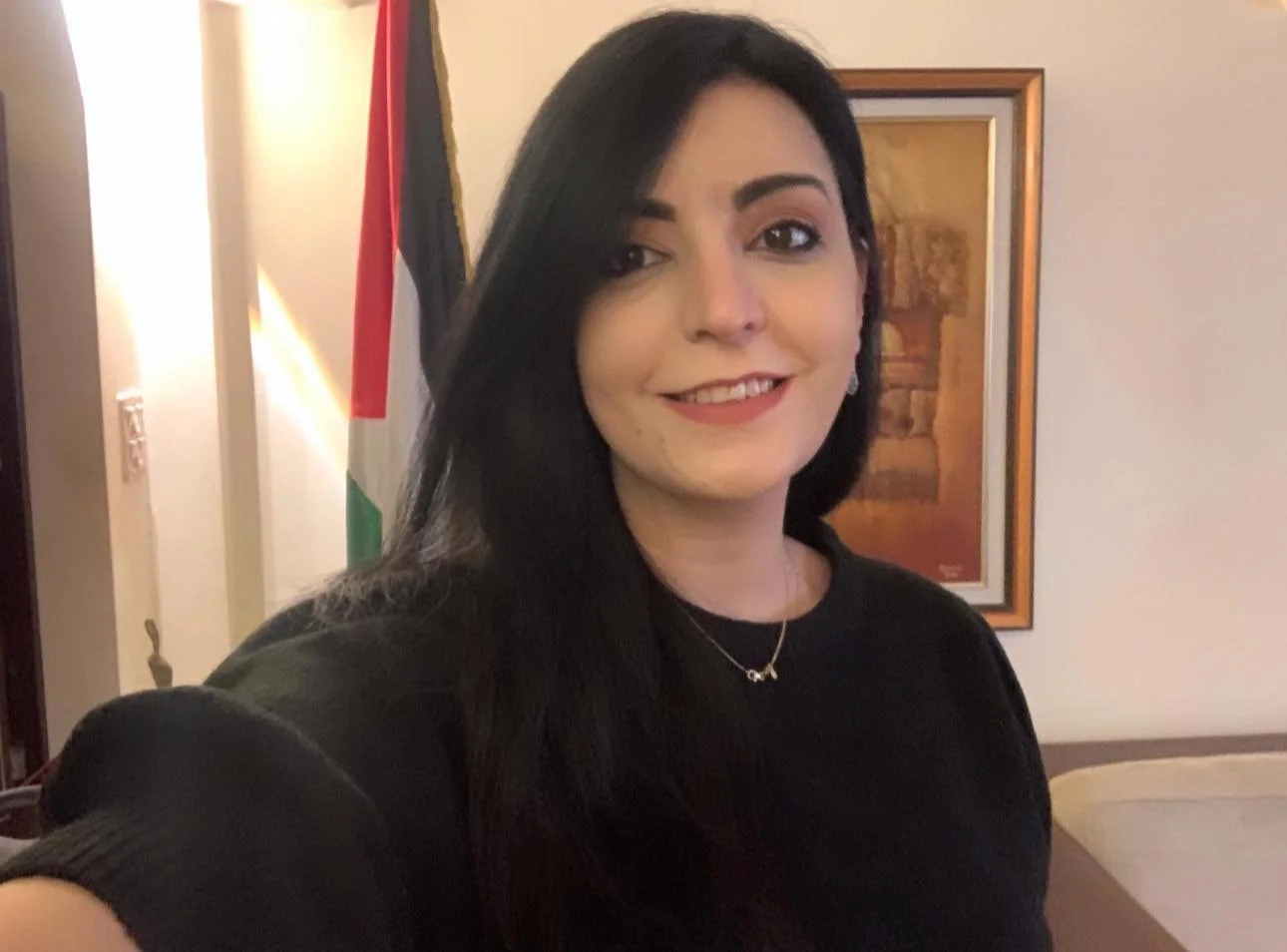
For visual artist Rana Albatrawi, art has never been simply about aesthetics. It is about memory, identity, survival, and the deep connection between people and place.
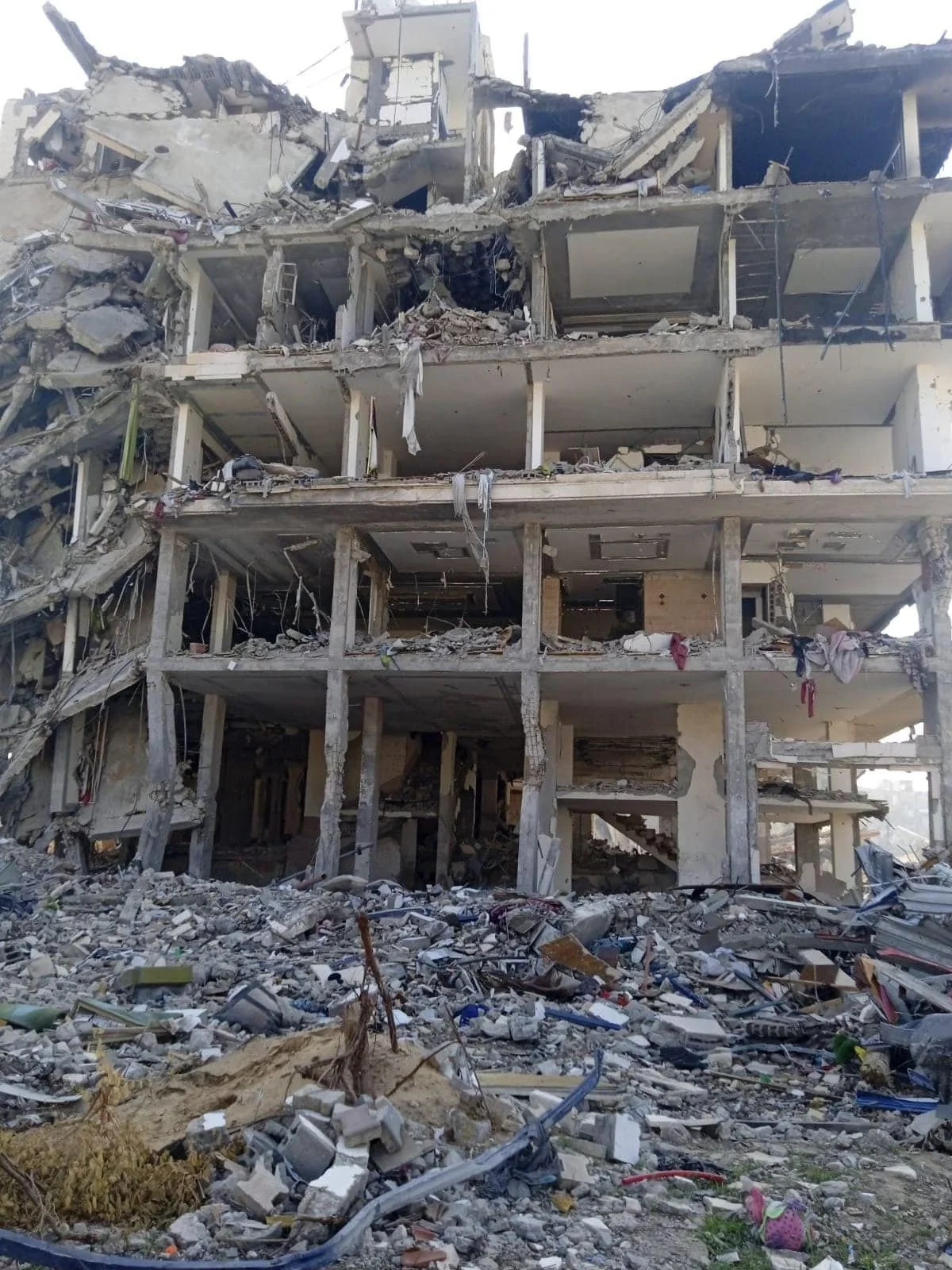
Originally from Gaza, Rana now lives in France after being forced to leave during the war. Her home was destroyed. Her studio was lost. Along with it went years of artistic work, personal belongings, and the physical space that held her family's memories.
Yet even from afar, her connection to Gaza remains constant.
“Currently, I live my daily life from outside the Gaza Strip,” Rana explains. “But I remain in constant and ongoing communication with the people of Gaza, friends, and fellow artists… because of my work with them and also because of my emotional and social connection. They are friends. They are family. They are a big part of my life.”
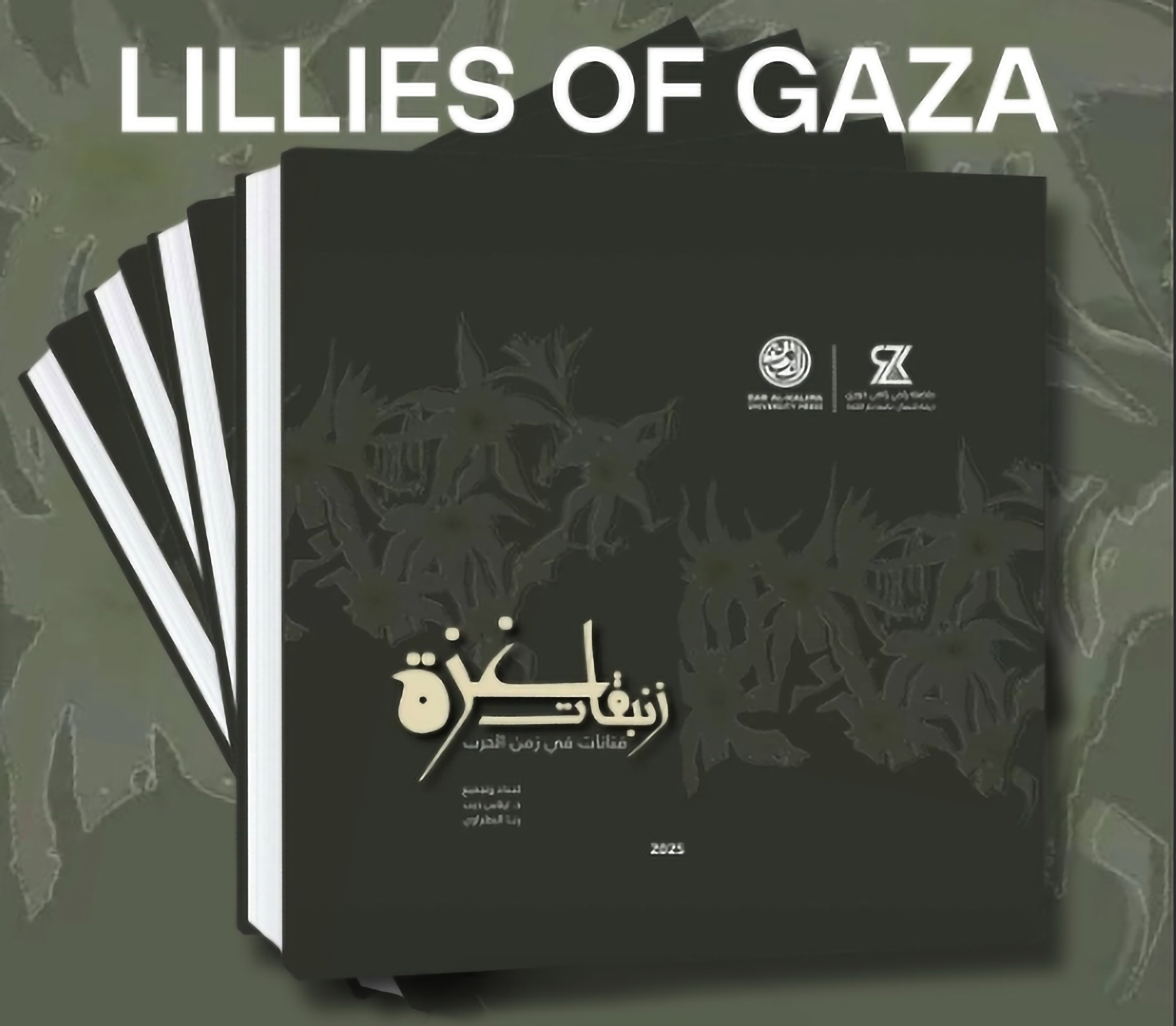
Today, Rana serves as the Gaza Program Director for Dar al-Kalima University’s Gaza Training Center, where she works closely with artists, women, and children through programs that use creativity as a pathway to healing and resilience.
Even though she is physically far from Gaza, she says the emotional distance does not exist.
“This connection makes me feel as if I am living with them, because I feel everything they feel. Even though I left Gaza, I know what they are experiencing, how they are getting through each day, and how difficult it is.”
When Home Becomes Memory
The loss of Rana’s home remains one of the most painful parts of her story.
“I lost my home during the war; unfortunately, nothing remained. My studio, which was also in the home, was completely destroyed, leading to the loss of everything.”
For Rana, home was never just a structure.
“For me, home is walls and memories,” she says. “That home carried everything: it shaped my character, my memory, my artistic identity, my children’s memories, my own memories, and all the moments we lived together.”
Today, that home exists only in memory.
“My home has become a painful memory that constantly reminds me of my ongoing losses.”
Still, Rana continues to search for ways to rebuild—not only physically, but emotionally and creatively.
“I try to re-shape and rebuild this home, even within myself, by creating new works—by reconstructing longing and memories all over again.”
Art Rooted in the Land
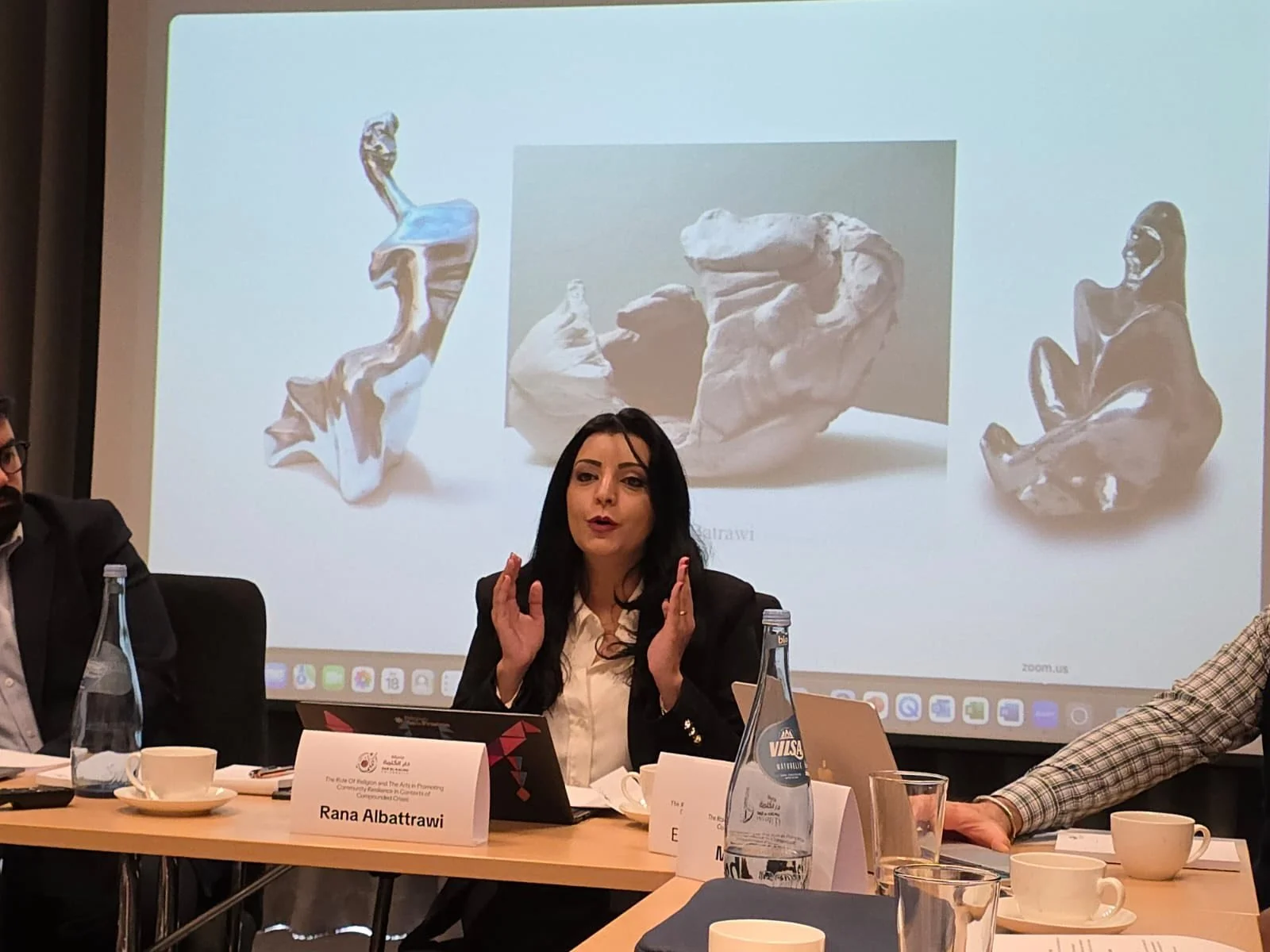
Throughout her career, Rana’s work has been deeply connected to the materials and natural elements of Gaza.
“When I was in Gaza, I used materials connected to the land—materials tied to the earth and to roots such as clay, natural elements, and sand,” she explains. “Everything surrounding me shaped my identity of place and the roots of the land.”
Even after the war and her displacement, those materials continue to shape her artistic language.
“In my artworks I continue to use materials connected to Gaza—the land and the place—such as clay and ash. There is also the idea of revival and creation from ash, which challenges all circumstances so we can continue and persist in life.”
For Rana, art has become a way to process loss and transform it into meaning.
“Through thinking, studying, and research—especially through art—this process becomes rich, because art helps us explore and express what we are living through.”
Art as a Lifeline
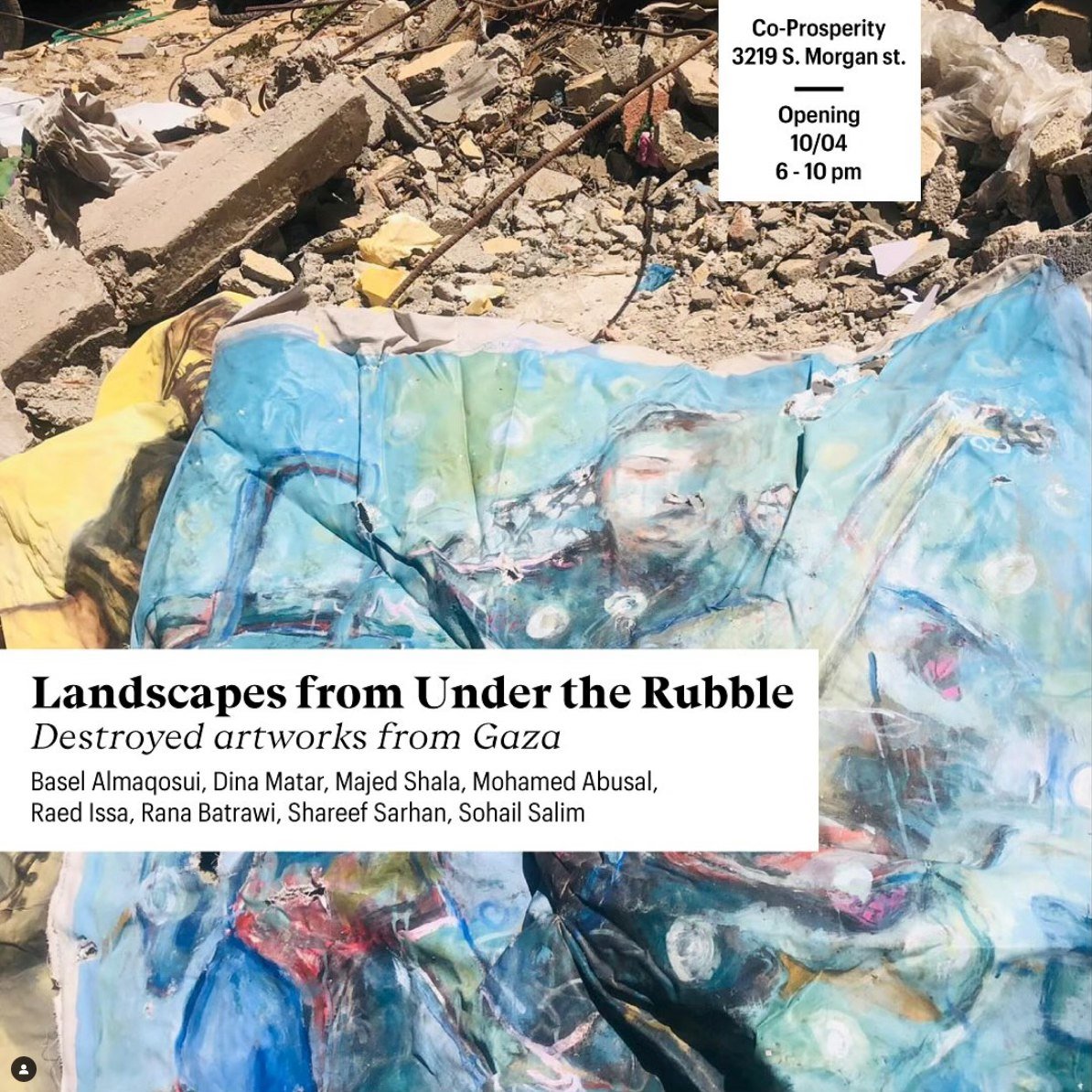
Through Dar al-Kalima University’s Gaza Training Center, Rana has helped develop programs that create safe spaces for expression, healing, and community support.
“Through art, we try to build bridges that support people and allow women, children, artists, and families to process the traumas and crises they are going through.”
These programs offer workshops and creative spaces where people can express their emotions through drawing, color, sculpture, and storytelling.
“Art was not a luxury, not decorative, not merely educational—it was a necessity of life.”
She witnessed firsthand how creative expression helped people navigate grief and trauma.
“Safe spaces were created through color, drawing, and artistic practice, allowing people to express themselves in their own language—through screams, colors, pencils, and artworks.”
Over the past two years, these programs have reached countless families.
“We witnessed success stories of children, families, and women who were able, through art, to overcome loss—even if only partially.”
Transforming Pain Into Action
For Rana personally, her work has become a form of resilience.
“Through my work with Dar al-Kalima University, these projects became tools of survival—helping me continue my life on a personal level as an artist and a mother.”
She knew she could not walk away from the people still living through the devastation in Gaza.
“After leaving Gaza, it was impossible for me not to do anything for those who remain there.”
Instead, she transformed her own grief into collective action.
“My work with Dar al-Kalima transformed my pain and loss into real, collective, humane action—into rebuilding and supporting the community, especially children and women in Gaza.”
A Future Built on Hope
Despite the uncertainty of the future, Rana continues to believe that creativity can open pathways forward.
“The future is always unknown,” she says. “But every step, every act, every work can transform anger into a window of hope.”
Through art, education, and community programs, Rana and her colleagues at Dar al-Kalima continue working toward that hope to support artists, empowering women, and helping the next generation imagine a future beyond conflict.
And in the process, they are ensuring that their stories of resilience, creativity, and survival are told in their own voices.
