

Women's History Month: Miriam Salah:
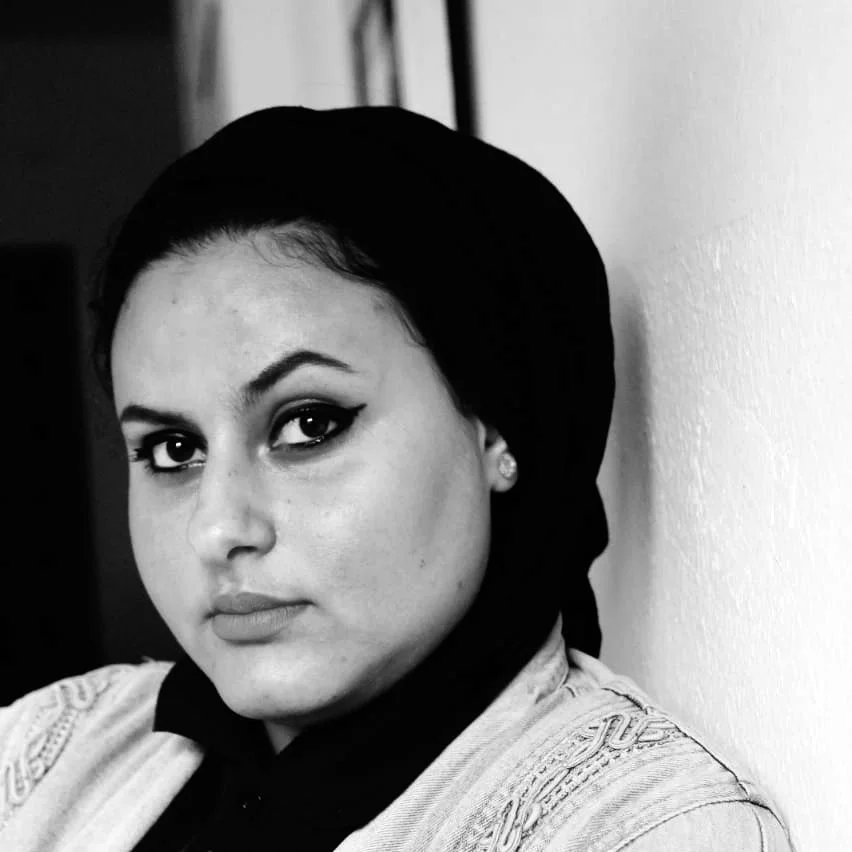
In Gaza, where life is constantly shifting, artist Miriam Salah does not describe her days in routines or schedules.
She describes them in phases.
Moments marked not by time, but by displacement. By survival. By the constant need to adapt to a reality that keeps changing around her.
“At the beginning, I was in shock,” Miriam shares. For months, art did not exist for her. Not because she didn’t love it, but because when everything is burning, creativity can feel impossible.
But eventually, something shifted.
She picked up her tools again, not to create beauty, but to document.
Her art became a record of lived experience. A way to capture moments, emotions, and realities that might otherwise go unseen. What started as a quiet, spontaneous response grew into something more intentional. More focused. More urgent.
Today, her work reflects what she sees and feels every day. The colors she is drawn to tell their own story. Red for the constant presence of blood. Gray for the heaviness that lingers. Black for the weight of it all.
Even her symbols carry meaning.
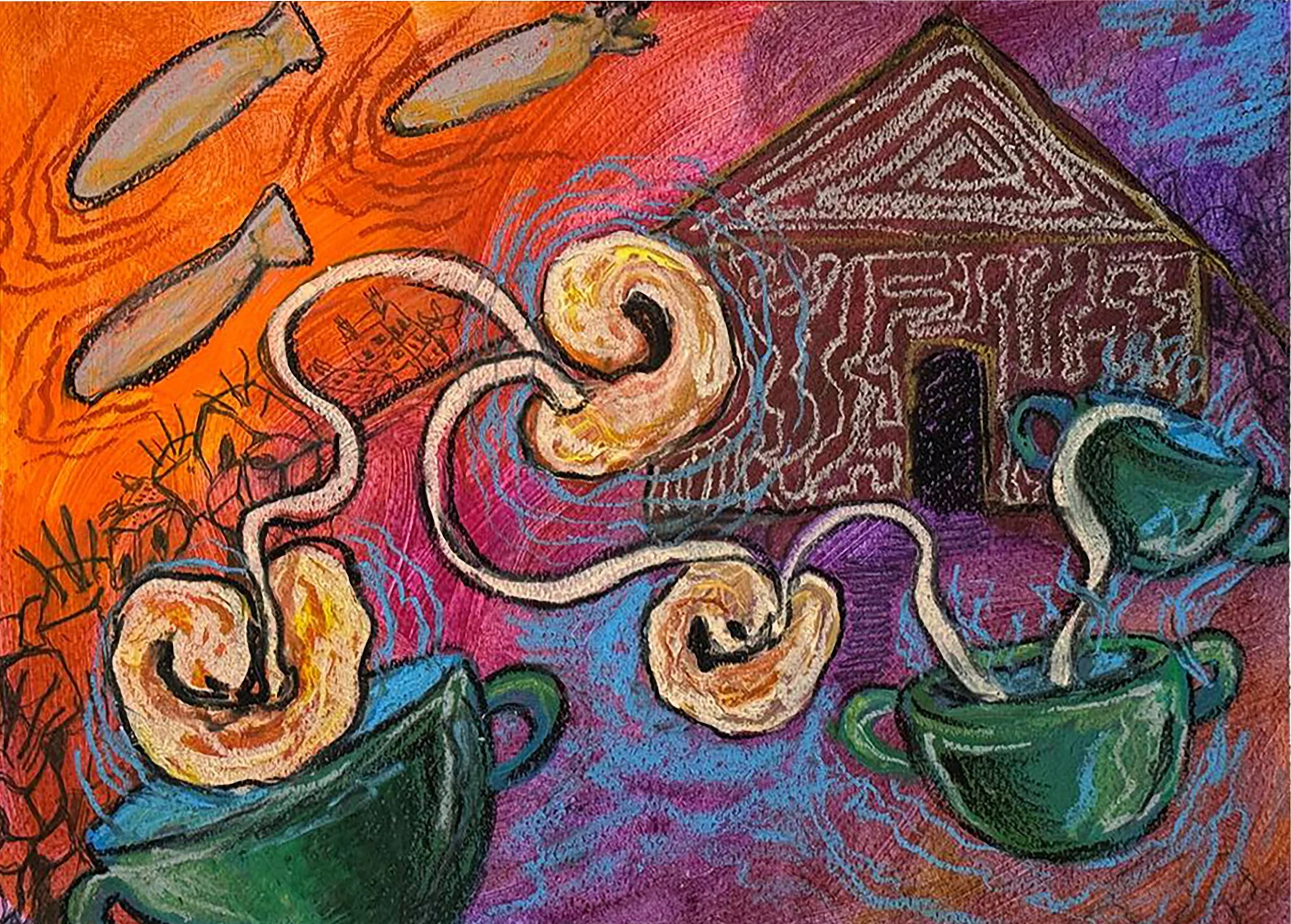
Circles represent the endless cycle of struggle. The daily fight for basic necessities like water, gas, and electricity. Triangles shift between resistance and control, depending on their form.
Everything around her becomes part of the work. Not because it is ideal, but because it is what is available.
In a place where resources are limited, Miriam creates with whatever she can find. Fabric, scraps, anything that remains. Because the need to tell the story outweighs the need for perfection.
But perhaps the most profound shift is how she now understands the idea of home.
Once, home meant comfort. Privacy. Belonging.
Now, those meanings have been stripped away.
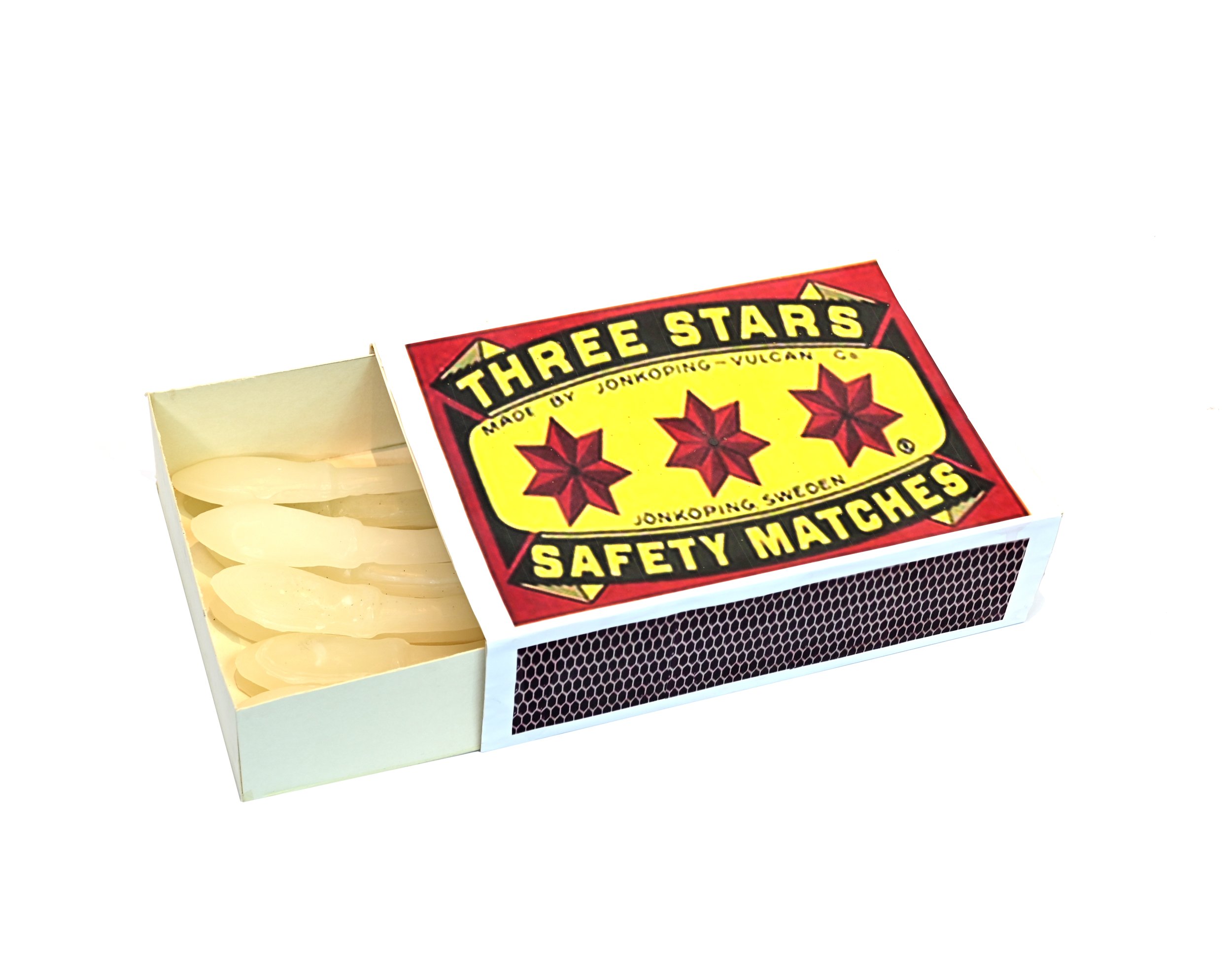
After multiple displacements and the eventual destruction of her home, Miriam describes an unexpected feeling. Not just loss, but a kind of release. There was nothing left to protect, nothing left to worry about.
And still, she continues.
Not because art fixes everything. In her words, it doesn’t.
But because it allows her to document what is real.
To make sure the world understands that behind headlines are human lives. Real experiences. Real emotions.
Through her work with children at the Dar al-Kalima Association, Miriam has also helped others find a way to process what they are feeling. She guides them to release their emotions through art, turning pain into expression instead of silence.
It is here, in these moments, that something quietly hopeful emerges. Not in grand promises about the future, but in the simple act of helping a child express what they are carrying.
When asked about hope, Miriam is honest. “I’m not really thinking much about the future… I focus on how to get through the day.”
And yet, she hold onto one dream. To travel. To share her story. To make sure the world knows what people in Gaza have lived through. Because sometimes, hope doesn’t look like optimism. Sometimes, it looks like telling the truth anyway.
At Bright Stars of Bethlehem, we believe stories like Miriam’s matter. They remind us why education, art, and opportunity are not luxuries. They are lifelines. And through Dar al-Kalima University, students and artists are given the space to create, to express, and to be seen.
