

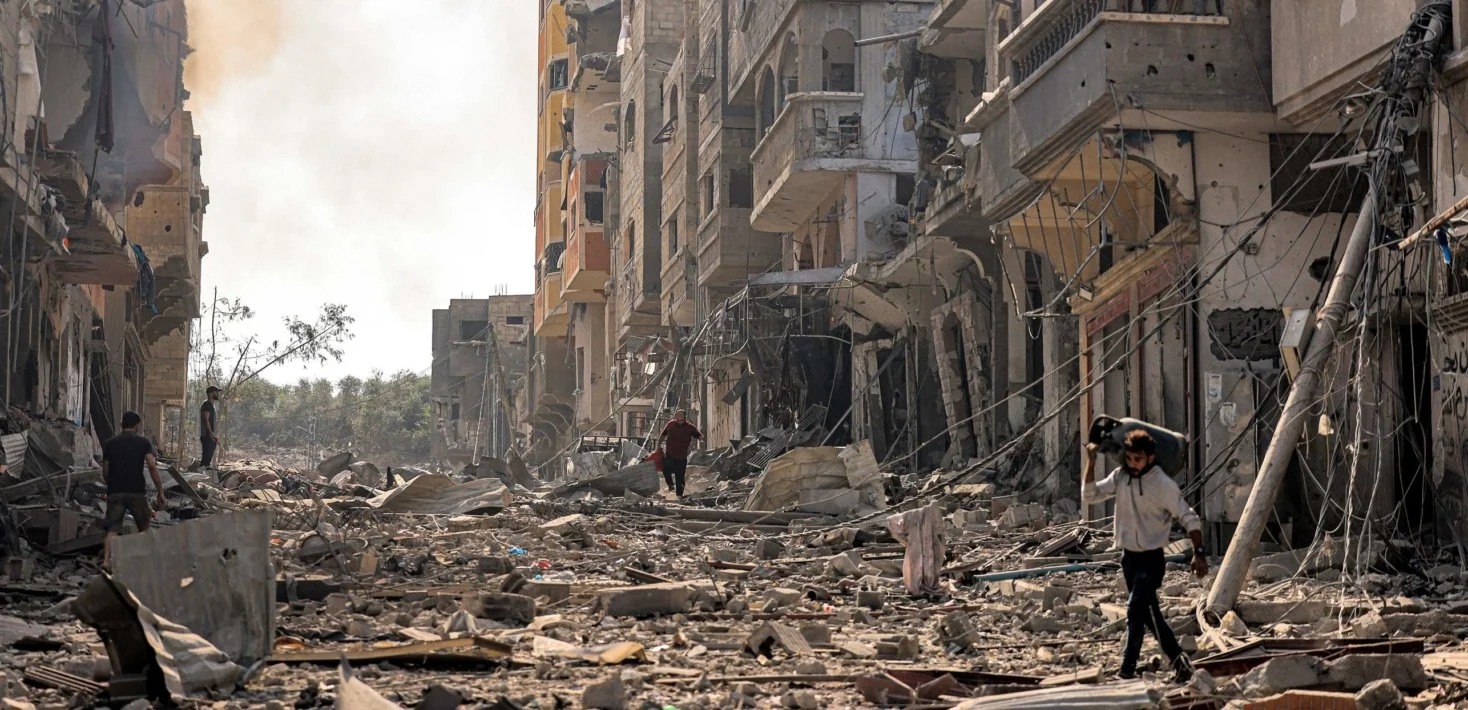
At Bright Stars of Bethlehem, we believe education is central to empowering the next generation of creative leaders in Palestine. We invite individuals, small groups, and faith communities to join our new educational book study program—a meaningful opportunity to learn, reflect, and engage with voices from Palestine.
Participants may choose one of two featured books—Decolonizing Palestine: The Land, The People, The Bible or Theology After Gaza: A Global Anthology—and Bright Stars will ship 2 copies directly to your community. Groups may also request a conversation with Dr. Tala AlRaheb, either in person or via Zoom, to deepen learning and explore how Christian faith connects to the lived reality of Palestine today.
To get started, simply complete the registration form below with your contact details, book choice, and speaker preferences. Join us this Lent as we learn together, raise awareness, and empower hope in Palestine.
Book Study
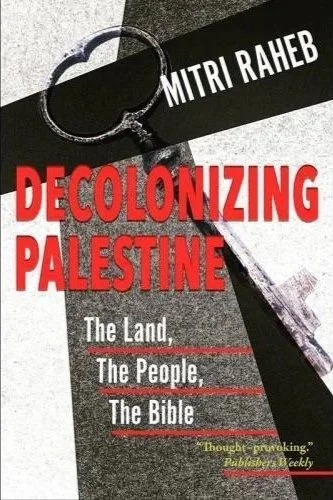
Decolonizing Palestine
Written by Rev. Dr. Mitri Raheb
What if “peace” in Palestine has been framed in ways that preserve injustice rather than dismantle it?
Decolonizing Palestine challenges readers to rethink everything we think we know about liberation, sovereignty, faith, and the future of a people who have endured more than a century of dispossession.
This compelling work doesn’t offer easy answers—it interrogates the structures, narratives, and psychological forces that make injustice appear inevitable. It asks what true liberation might look like, beyond temporary ceasefires, broken negotiations, or superficial reforms. And it invites us to consider decolonization not just as a political demand, but as a social, spiritual, and intellectual awakening.
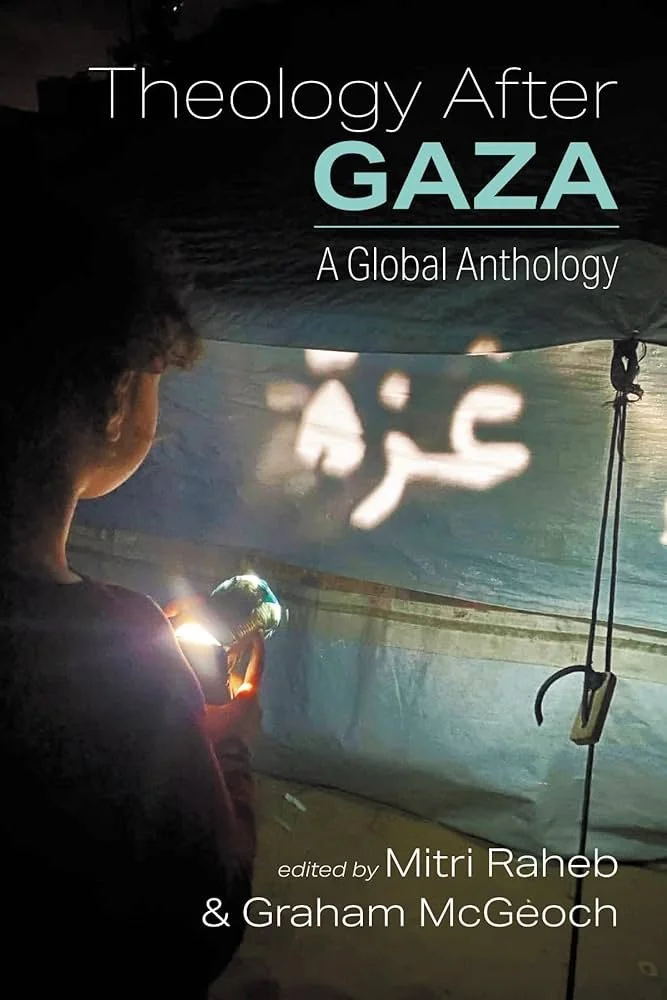
Theology After Gaza: A Global Anthology
Edited by Rev. Dr. Mitri Raheb
What happens to theology when it is confronted with genocide in real time—when faith itself becomes a battleground?
Theology After Gaza: A Global Anthology asks this haunting question with clarity, courage, and moral urgency.
This groundbreaking collection is not simply about Gaza as a geographic place or a contemporary crisis—it is about Gaza as a moral compass, a mirror held up to our world, our theology, and our collective humanity. In the ongoing violence against Palestinians, theology has not merely been silent; it has often been weaponized—to justify dispossession, dehumanization, and the erasure of an entire people.
This anthology responds by refusing silence and refusing complicity.
Rooted in Palestinian liberation theologies, it wrestles honestly with faith, ethics, and power in a moment when the stakes could not be higher. The authors explore what it means to speak of God, justice, and hope amid genocide, and how Gaza exposes the failures of theological systems that have aligned themselves with empire rather than liberation.

Tala AlRaheb
Development Director of Bright Stars of Bethlehem
Tala proudly serves as Development Director for Bright Stars of Bethlehem, where she combines her extensive fundraising expertise with a steadfast commitment to advancing peace and justice for Palestinians. In this role, she helps further the organization’s mission of empowering Palestinian communities through education, culture, and opportunity.
Before joining Bright Stars of Bethlehem, Tala contributed her talents to a range of non-profits and think tanks, including Global Refuge (formerly Lutheran Immigration and Refugee Service), and served as an Ambassador Warren Clark Fellow with Churches for Middle East Peace (CMEP).
Tala holds a Ph.D. in Religious Studies from Emory University, specializing in World Christianity. Her research and publications focus on immigration, Middle Eastern and Palestinian Christianity, and gender studies. Passionate about public scholarship, she has presented widely across the United States at universities, churches, and community organizations, equipping audiences to engage in justice and advocacy work.
As a Palestinian Christian and scholar, Tala brings both lived experience and academic insight to her speaking, offering a unique perspective on faith, justice, and peace building in Palestine.